Read Books: A Designer’s Stitch-Out Review
As an embroidery designer who has stitched out thousands of files for both personal joy and commercial client work, I approach every new machine embroidery design with a healthy dose of skepticism. We have all purchased files that look perfect on screen but turn into thread nests or distorted shapes once the needle hits the fabric. When evaluating "Read Books," my primary focus is not just its whimsical aesthetic, but its structural integrity as a functional asset for makers, Etsy sellers, and apparel decorators. This review breaks down how this design actually performs when moved from the digital workspace to the hoop.
First Impressions and Visual Personality
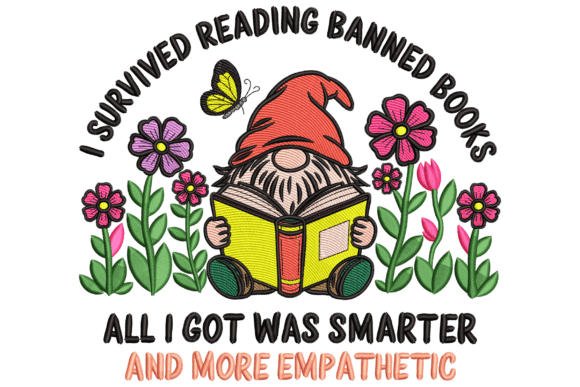
Upon loading the embroidery file into my digitizing software, the immediate impression of Read Books is one of nostalgic warmth. It fits squarely within the School category without feeling juvenile or overly cartoonish, making it versatile for adult readers, librarians, teachers, and students alike. The layout suggests a balanced composition that avoids heavy density clusters in one area, which is a common pitfall in book-themed designs. Visually, it carries a personality that feels hand-drawn rather than auto-digitized, offering a charm that translates well to handmade products.
For a craft business owner, this visual balance is critical. Customers are drawn to items that feel bespoke. If the design looks too rigid or mechanical, it loses that premium handmade value. Read Books appears to utilize a mix of satin stitch outlines and lighter fill stitch areas, creating texture variation that mimics the tactile nature of actual books. This depth is essential for preventing the design from looking like a flat sticker once embroidered.
Real-World Application: The Library Tote Test
To truly judge this design, I mentally placed it in a specific production scenario: creating a batch of canvas tote bags for a local library fundraiser and a complementary line of sweatshirts for my own shop. This dual-purpose test reveals where a design shines and where it struggles.
On a natural canvas tote bag design, the unbleached fabric texture can sometimes swallow fine details. Read Books seems robust enough to handle this. The likely use of running stitches for text elements means the lettering should remain legible against the weave of the canvas. However, for sweatshirt embroidery, specifically on French terry or fleece, the challenge shifts to stability. Fleece is notorious for pushing stitches around. Because this design features book spines and likely some linear elements, maintaining straight lines on a lofty fabric requires careful attention to stabilizer choice. In my experience, using a medium-weight cutaway stabilizer with a temporary spray adhesive is non-negotiable here to prevent the books from leaning or the text from sinking into the pile.
For those considering this as a personalized gift item, such as adding a name below the stack of books, the spacing in the original artwork matters immensely. Read Books appears to leave adequate negative space at the bottom or top, allowing for customization without requiring significant re-digitizing. This flexibility is a massive time-saver for small shop owners fulfilling custom orders during peak holiday seasons.
Fabric Compatibility and Technical Caution Zones
While Read Books is charming, no single digital embroidery file works universally across all substrates. As a reviewer, I must highlight where you need to proceed with caution to protect your product quality and brand reputation.
- Stretchy Knits and Baby Items: If you are adapting this for baby embroidery on onesies or stretchy knits, verify the stitch density. High-density fills on lightweight jersey will cause puckering that no amount of steaming can fix. You may need to reduce density by 10-15% or switch to a tear-away stabilizer with a topping to keep the fabric stable.
- Dark Fabrics: Whimsical designs often rely on pastel or muted tones. If stitching Read Books onto navy or black garments, check your thread colors contrast. Pastel threads on dark backgrounds can sometimes look washed out unless underlay is sufficient. Test a swatch first to ensure the books pop rather than disappear.
- Textured Home Decor: For tea towels or linen pillow covers, the fabric texture adds character but also risk. Linen slubs can deflect needles. Ensure your machine needle is sharp and appropriate for the fabric weight to avoid skipped stitches in the detailed corners of the book illustrations.
- Small Hoop Sizes: If you plan to resize this design significantly for a 4x4 hoop or cap frame, inspect the smallest text elements. Reducing a design by more than 20% often turns readable text into illegible blobs. Always measure the physical output before committing to a production run.
Commercial Viability for Sellers and Makers
For Etsy sellers and creative entrepreneurs, Read Books represents more than just a pretty picture; it is a potential revenue stream. However, commercial viability hinges on consistency. A finished product that looks great in a listing photo but arrives with poor registration or tension issues leads to returns and negative reviews.
This design’s whimsical style aligns perfectly with current market trends favoring "cottagecore" and "dark academia" aesthetics. It is highly giftable, making it ideal for holiday embroidery projects, teacher appreciation gifts, or back-to-school merchandise. From a branding perspective, it offers a cohesive look that can be applied across multiple SKUs—matching patches, apparel, and accessories—which helps build brand recognition for your shop.
If you are selling the embroidered patch version of this design, pay close attention to the border. A merrowed edge or satin stitch border needs to be dense enough to contain the internal design without fraying. Read Books likely includes this structural element, but always verify the lock stitches at the start and end points to ensure durability through washing and wear.
Essential Pre-Stitch Checklist for Professionals
Before you list a product featuring Read Books or accept a custom commission, run through this practical checklist. These steps separate hobbyists from professional embroiderers:
- Verify Licensing: Confirm whether your purchase includes commercial rights for finished products versus digital resale. Never assume; always check the license terms provided with the file.
- Test on Scrap Fabric: Never stitch a final project without a test run. Use a scrap of the exact fabric and stabilizer combination you intend to sell. Check for puckering, registration errors, and thread breaks.
- Mockup Validation: Create a printable mockup or digital preview using the actual stitch file, not just a JPEG. This helps you spot potential contrast issues or sizing problems before wasting thread.
- Check File Specs: Since specific stitch counts and formats vary, open the file in your software to confirm it fits your hoop size and machine format. Do not rely solely on the vendor's thumbnail description.
- Evaluate Washability: If this is for apparel or linens, wash and dry your test swatch. Some whimsical designs use decorative threads or loose running stitches that may snag or shrink differently than the base fabric.
Final Verdict on Design Assets
Read Books stands out as a strong contender for makers seeking a blend of charm and technical reliability. Its suitability for the School category makes it a seasonal staple, while its whimsical execution ensures it remains relevant year-round for book lovers. Whether you are producing custom apparel, decorating home goods, or expanding your digital assets library, this design offers a solid foundation for high-quality embroidery.
Success with this file, as with any commercial embroidery asset, depends on your willingness to test and adapt. Respect the fabric, stabilize correctly, and honor the design’s intended scale. When executed with professional care, Read Books transforms from a simple digital file into a tangible, lovable product that customers will cherish and trust. It is a reminder that in our industry, the best designs are those that bridge the gap between digital artistry and real-world utility.