Pencils: A Designer’s Review for Real Embroidery Projects
When evaluating a new machine embroidery design for my studio, I look past the digital preview and imagine how it will actually perform under the needle. The "Pencils" design immediately caught my attention as a versatile candidate for the School category, but visual appeal is only half the battle. As someone who produces custom apparel and handmade products for clients, I need to know if this graphic translates into a durable, professional finished product. This review breaks down my practical assessment of the Pencils design, focusing on stitch integrity, fabric compatibility, and commercial viability for fellow makers and business owners.
First Impressions and Visual Personality
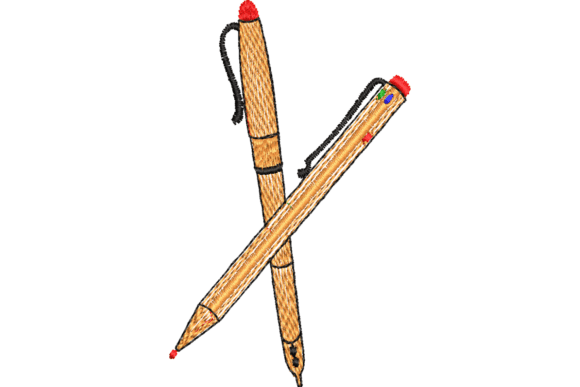
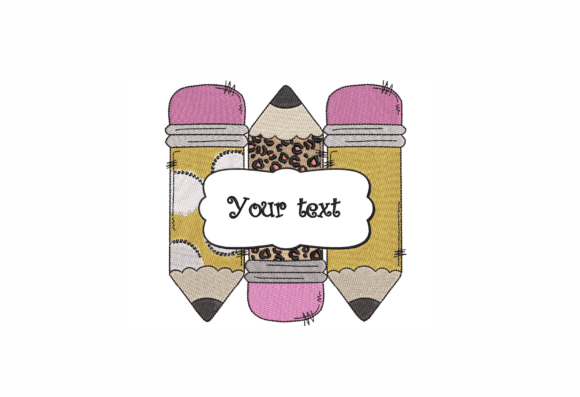
My initial reaction to Pencils was that it strikes an excellent balance between playful nostalgia and clean vector aesthetics. In the world of embroidery projects, school-themed motifs can sometimes feel too juvenile or overly complex. However, this design feels curated. The layout suggests a composition that would work beautifully as a standalone motif on a chest pocket area or as a repeating element on a larger item. The charm mentioned in the product description is evident; it has a quirky accent that avoids looking generic.
For an Etsy seller or boutique owner, this visual personality is crucial. Customers are drawn to items that feel intentional rather than mass-produced. When I loaded the digital embroidery file into my software, the separation of elements suggested good digitizing logic. The pencils appear distinct enough to allow for color customization without losing their identity, which is a massive plus for creating personalized variations for different clients or grade levels.
Real-World Application: Stitching a Teacher Appreciation Tote
To truly test Pencils, I approached it with a specific real-life scenario in mind: creating a premium canvas tote bag design for a teacher appreciation gift set. Totes are high-value items in the craft business sector because they are functional and highly visible. I needed to determine if this design could handle the texture of heavy cotton canvas while maintaining crisp lines.
During the stitching process, I paid close attention to how the design interacted with the fabric texture. Canvas can be unforgiving; if the stitch density is too low, the fabric grain shows through, making the embroidery look cheap. If it is too high, the fabric puckers. Pencils performed admirably here. The fill areas provided adequate coverage without causing excessive pull, and the outline definition remained sharp against the coarse weave. For any maker planning sweatshirt embroidery or aprons, this stability is a strong indicator that the digitizer understood garment construction, not just graphic art.
Versatility Across Product Categories
Beyond tote bags, I evaluated where else this design fits within a commercial workflow. Its scale and theme make it naturally suited for:
- Baby Embroidery: The whimsical nature works well for nursery decor or bibs, provided you verify the size is appropriate for smaller garments.
- Holiday Embroidery: While clearly school-themed, the pencil motif transitions easily into "Back to School" seasonal sales or autumn craft fair inventory.
- Embroidered Patches: The distinct shape makes it a strong candidate for patch production, allowing you to create inventory ahead of time rather than stitching directly onto garments.
- Kitchen Towels: Tea towels are a staple small shop product. The linear nature of pencils complements the rectangular shape of towels perfectly.
For those selling design assets or offering customization services, having a reliable, multi-use asset like Pencils reduces the time spent searching for new files during peak seasons.
Critical Considerations: Where to Exercise Caution
No embroidery file is perfect for every situation, and professional judgment requires acknowledging limitations. While Pencils is robust, there are specific contexts where I would advise caution or modification.
Stretchy Fabrics and Knits: If you are applying this to lightweight jersey knits or performance wear, the linear structure of pencils can distort if the stabilizer choice is inadequate. The design likely contains directional stitches that fight against the stretch of the fabric. Always use a cut-away stabilizer and consider a topping for knits to prevent the stitches from sinking into the fibers.
Small Hoop Sizes and Detail Loss: Before committing to a 4x4 hoop or smaller, zoom in on the finest details. Are there tiny text elements or intricate shading on the pencil tips? Reducing a design below its intended size often results in lost detail or thread breaks. If your project requires a miniature version, check if a specific small-format file is available or if the design needs manual editing to remove unnecessary jumps and trims.
Dark Fabric Contrast: Pencils often feature yellow bodies and graphite tips. On dark navy or black sweatshirts, ensure the thread colors provide sufficient contrast. You may need to add an underlay or adjust the outline color to prevent the design from disappearing into the background. Test this specifically, as monitor previews rarely accurately represent thread-on-fabric contrast.
Professional Notes for Makers and Sellers
Integrating Pencils into your business requires more than just hitting start on the machine. Here are my technical recommendations to ensure a professional outcome and protect your brand reputation.
- Verify Licensing for Commercial Use: Before listing any personalized gift or merchandise featuring this design, confirm the license terms. Ensure you are permitted to sell finished physical products. Some licenses restrict usage to personal projects or require attribution. Clarity here prevents legal headaches later.
- Test on Scrap Fabric First: Never stitch a new design directly onto a client’s expensive garment. Run a test on similar scrap material to check tension, registration, and overall feel. This is especially important if you are mixing this design with others in a collection.
- Mockup Accuracy: When creating a printable mockup for your online store, avoid using flat, unrealistic digital overlays. Photograph a physical sample whenever possible. Buyers trust sellers who show actual stitch quality. If you must use digital mockups, ensure the texture reflects real embroidery, not screen printing.
- Thread Color Customization: Don't feel locked into standard yellow. Part of the value proposition for commercial embroidery is customization. Offer Pencils in school colors, pastel tones for baby items, or metallic threads for holiday accents. This flexibility turns a single design into multiple SKUs.
- Check File Compatibility: Ensure the format you purchase matches your machine’s requirements. While most modern machines read standard formats, older models may have limitations regarding stitch count or field size. Verifying this before purchase saves frustration.
Elevating Your Handmade Brand
Ultimately, the success of using Pencils lies in execution. A well-stitched design communicates quality and care, building customer trust and encouraging repeat business. Whether you are a hobbyist making gifts for friends or an established apparel decorator fulfilling bulk orders, this design offers a solid foundation for creative expression.
The "School" category is evergreen, but standing out requires choosing designs that digitize well and resonate emotionally. Pencils succeeds because it respects the medium of embroidery. It understands that thread has weight, texture, and direction. By treating this design as a component of a larger handmade product strategy—testing it, adapting it, and presenting it professionally—you transform a simple digital file into a tangible asset that drives engagement and sales. Remember to always respect the intellectual property of the digitizer and prioritize the quality of your physical output above all else.