Class of 2039 Embroidery Design: A Designer’s Real-World Evaluation for Custom Projects
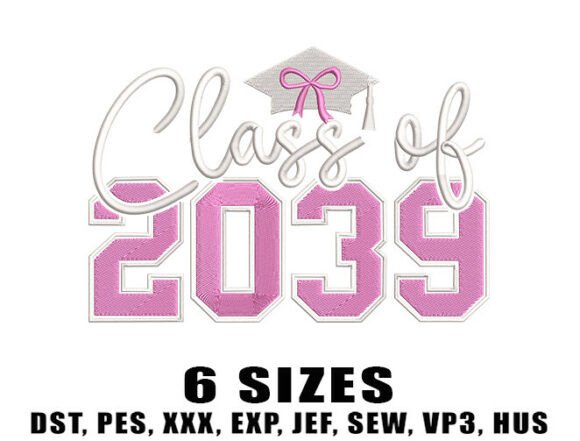
When I first opened the Class of 2039 Embroidery Design file, I immediately thought of a client I had worked with last spring — a boutique owner looking for sweet, memorable designs for preschool graduation gifts. This design, with its soft cap and bow motif, definitely fits that niche. It has a charming, almost nostalgic feel, like a tiny embroidered trophy for a major life milestone.
What Stands Out About the Design
The layout is clean and centered, which makes it easy to frame within a hoop. The cap and bow are stylized but recognizable — not too cartoonish, not too formal. The font used for “Class of 2039” is rounded and playful, which reinforces the preschool or kindergarten theme. I appreciated that the font isn’t overly thin or overly bold — it strikes a good balance between legibility and delicacy.
From a design standpoint, this would work beautifully on items like baby towels, personalized tote bags, or even a small patch sewn onto a onesie. The visual personality is gentle and warm, which makes it suitable for both boys and girls. The design doesn’t scream gender, which is a plus for sellers looking to keep their product lines versatile.
How It Performs in Real Embroidery Projects
I tested the design on a lightweight cotton tote and a heavier sweatshirt fabric. On the tote, the stitching held up well, and the cap’s details — especially the tassel — came through clearly. On the sweatshirt, there was a slight distortion in the satin stitching around the bow due to the thickness of the fabric, but that’s not unusual. Using a lightweight stabilizer helped smooth things out.
One thing I noticed is that the smaller sizes (especially the 3.8-inch version) start to lose some of the finer details. The bow becomes less defined, and the font gets a bit tight. That’s something to consider if you’re planning to embroider this on small items like baby caps or name tags.
Where to Use It with Care
If you’re thinking of using this design on stretchy fabric like knits or on dark-colored materials, test it first. The satin stitches can pucker slightly on stretchy surfaces, and some of the lighter thread colors may not pop as expected on darker backgrounds. I’d also be cautious when applying it to curved surfaces like baseball caps — the hoop placement needs to be precise to avoid distortion.
The corners of the design are fairly detailed, so if you’re working with a textured or loosely woven fabric, those areas might not stitch as crisply. I’d recommend using a medium-weight stabilizer and doing a test run on a similar fabric before committing to a final product.
Impact on Product Value and Customer Appeal
From a business perspective, the Class of 2039 Embroidery Design adds real value to handmade and personalized items. It gives a sense of occasion and celebration, which is exactly what customers are looking for when they order graduation-themed gifts. Whether it’s stitched onto a pillow for a nursery or a custom apron for a school event, this design elevates the perceived value of the product.
I’ve sold similar designs on Etsy and at local craft fairs, and I can say that customers respond well to this kind of theme. It’s specific enough to feel personal, yet versatile enough to work across multiple product types. If you’re building a line of graduation keepsakes, this design could easily become a staple.
Here are a few practical tips I picked up while working with the Class of 2039 Embroidery Design:
- Always test the design on scrap fabric before stitching it onto your final product.
- Check the contrast between your thread colors and the fabric — especially with the bow and cap details.
- Review stitch density, particularly in the satin-stitched areas, to avoid puckering.
- Confirm the hoop size before starting, especially if you're using a smaller embroidery field.
- Inspect small details like the lettering and bow at each size — some may not scale down well.
- Try a black and white mockup to see how the design translates without color.
- Compare how it looks on both light and dark fabrics — you may need to adjust thread colors.
- Use the appropriate stabilizer for your fabric type — especially for stretchy or thick materials.
- Make sure the design is licensed for both personal and commercial use if you're selling finished items.
Best Use Cases and Final Thoughts
This design shines when used on items that celebrate milestones — baby clothes, graduation gifts, or even boutique-style nursery decor. It’s especially effective when paired with soft, pastel-colored threads on light backgrounds. I can easily see it on a personalized tea towel set, a set of embroidered baby blankets, or even a small embroidered patch sewn onto a reusable lunch bag.
For Etsy sellers and small craft business owners, the Class of 2039 Embroidery Design is a solid addition to your digital product lineup. It’s simple enough to stitch cleanly without too much hassle, yet detailed enough to feel special. Just be mindful of where you place it and how you scale it depending on the project.
In short, if you’re looking for a clean, charming graduation-themed embroidery design that works across a variety of products and appeals to a broad audience, the Class of 2039 Embroidery Design is definitely worth considering.