Line Art Bookmark ITH: A Craft Fair Review
First Impressions of the Line Art Bookmark ITH Design
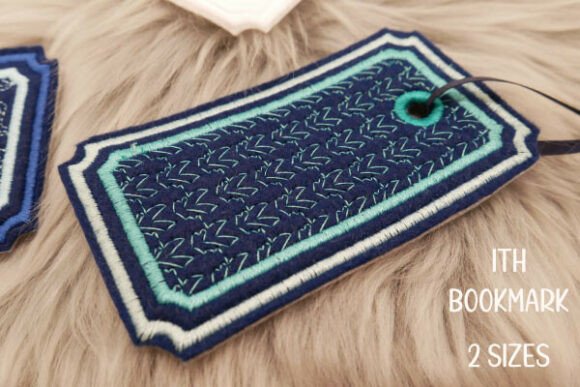
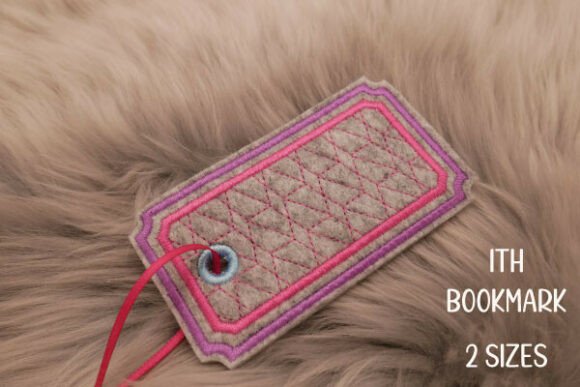
As an experienced embroidery designer preparing for a weekend craft fair, my first priority is evaluating whether a machine embroidery design can stop customers in their tracks. When reviewing the Line Art Bookmark ITH, the immediate impression is one of modern elegance and minimalist sophistication. The description promises a flowing running stitch pattern that transforms into a chic, abstract bookmark, and visually, this translates to a clean, contemporary aesthetic. It does not feel cluttered or overly traditional; instead, it leans into the popular "quiet luxury" trend that performs exceptionally well with younger demographics and book lovers.
For a booth display filled with colorful items, this design offers necessary visual breathing room. It feels premium rather than kitschy. In the context of school-related merchandise or back-to-school markets, this abstract line art appeals to high school and college students who want functional accessories without juvenile cartoons. As a craft fair product, it signals that your brand understands current design trends, distinguishing your table from vendors selling only dense, old-school fill stitches.
Evaluating Product Applications Beyond Bookmarks
While the name specifies a bookmark, an in-the-hoop (ITH) design with a flowing running stitch has versatile applications for an Etsy seller or boutique maker. I have evaluated how this specific aesthetic performs across various inventory staples:
- Tote Bag Design: This is arguably the strongest secondary application. A single line art motif placed centrally on a natural canvas tote creates a high-value literary accessory. The open nature of running stitches prevents the bag from becoming stiff, maintaining a soft drape that customers prefer.
- Tea Towel Embroidery: Line art excels here. Unlike dense satin stitches that can cause wicking issues or fabric puckering, a flowing running stitch preserves the absorbency and texture of linen or cotton towels. It looks intentional and artistic rather than like a manufactured label.
- Apron Embroidery: For a reading-themed apron or a librarian gift, this design serves as a subtle chest logo or pocket accent. Its abstract nature makes it gender-neutral and universally appealing.
- Fabric Pouches and Pencil Cases: Since this is an ITH project, scaling the concept to create matching zipper pouches for school supplies is a logical production extension. The line art style remains legible even when curved around a stuffed pouch.
- Embroidered Patch: If you produce patches for resale, this design’s reliance on outline work means faster production times and less thread consumption compared to filled designs, improving profit margins.
Production Practicality for Batch Manufacturing
When prepping for a market, time is money. The Line Art Bookmark ITH scores highly on production efficiency. Running stitch designs generally require fewer needle penetrations and less thread than complex fills, allowing for rapid batch production. This makes it an ideal filler item to produce between larger, more intensive projects like jacket backs or quilt blocks.
From a photography standpoint, line art is forgiving yet striking. It photographs beautifully for printable mockups and online listings because the contrast between the thread and fabric is distinct without being overwhelming. Customers can instantly understand the design at thumbnail size, which is crucial for digital sales. Furthermore, the abstract nature of the art means it pairs easily with various fabric colors, allowing you to create cohesive collections without needing entirely new design assets.
Critical Use Notes and Technical Limitations
Despite its appeal, this digital embroidery file requires careful handling to ensure commercial quality. As a designer, I must highlight specific constraints to prevent wasted materials:
- Fabric Texture Sensitivity: Flowing running stitches rely on precision. Avoid highly textured fabrics like terry cloth or slub linen unless you use a water-soluble topping. The delicate lines will get lost in the pile, ruining the "chic" effect.
- Stitch Density and Tension: Verify the stitch density before bulk production. Running stitches that are too long may snag during use, while those that are too short may perforate lightweight bookmark fabrics. Test tension specifically for the finishing seam of the ITH process to ensure edges are secure.
- Dark Fabric Contrast: Line art demands high contrast. On dark fabrics, ensure your thread colors are bright enough to pop. Pastel threads on navy fabric often disappear in photos and in person.
- Curved Surfaces: While great for flat items, be cautious using this specific bookmark layout on curved cap surfaces without modification. The straight geometry of a bookmark may distort when wrapped around a hat crown.
- Small Lettering: If the design includes text elements within the line art, check legibility at smaller sizes. Running stitch text below 4mm often becomes unreadable. Always confirm minimum sizing before listing as a small shop product.
Enhancing Booth Display and Perceived Value
In a physical retail environment, the Line Art Bookmark ITH acts as an excellent price-point anchor. Because it is quick to produce and uses minimal materials, it can be priced accessibly, encouraging impulse buys that increase average transaction value. When displayed alongside higher-ticket items like embroidered pillow covers or market bags, these bookmarks reinforce a cohesive brand identity centered on thoughtful, handmade craftsmanship.
The "abstract" descriptor is a key selling point. It allows customers to project their own meaning onto the item, making it feel personal. For commercial embroidery businesses targeting schools or libraries, this non-specific imagery avoids copyright issues while still feeling thematic. Displaying these bookmarks in clear acrylic stands or clipped to wire grids draws the eye upward, utilizing vertical space effectively in a crowded booth.
Essential Designer Checklist Before Selling
Before listing this finished product or selling the file itself, adhere to this professional verification protocol:
- Test on Scrap Fabric: Never assume a digitized file is perfect. Stitch out the design on the exact fabric weight you intend to sell. Check for registration errors where the running stitch meets the ITH seam allowance.
- Confirm Hoop Size Compatibility: Ensure the design fits your most commonly used hoops to maximize production speed. If resizing is necessary, verify that the stitch path remains continuous and does not introduce excessive jumps.
- Review Stabilizer Choice: For ITH bookmarks, the stabilizer choice dictates the final drape. Test tear-away versus cut-away options. The bookmark should be flexible, not board-stiff.
- Create Real Mockups: Photograph the actual stitched sample on the intended product. Digital renderings cannot capture the sheen of rayon or polyester thread against matte fabric, which is a primary selling feature of line art.
- Verify Commercial Licensing: Crucially, confirm the license terms included with the embroidery file. Ensure you have rights to sell finished physical products at craft fairs and online. Do not assume permission based on the product title alone.
- Check Thread Consumption: Calculate exact thread usage per unit to price accurately. Line art can be deceptive; what looks simple may have thousands of stitches if the pathing is inefficient.
By treating the Line Art Bookmark ITH with professional scrutiny rather than viewing it as just another cute file, you transform it into a reliable revenue stream. Its blend of aesthetic appeal, production speed, and versatility makes it a standout candidate for any serious embroidery business preparing for the upcoming market season.