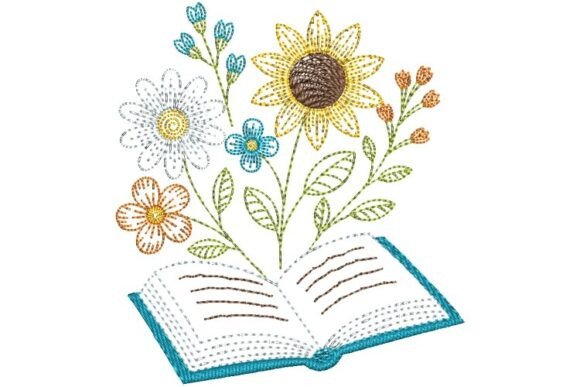
Book and Flowers: A Craft Fair Embroidery Review
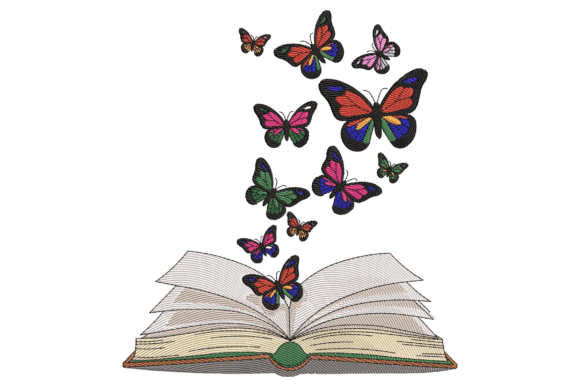
As an experienced embroidery designer preparing for a busy weekend craft fair, I evaluate every machine embroidery design through a specific lens: will this sell when placed on a table next to hundreds of other handmade items? When reviewing the "Book and Flowers" design, my immediate assessment is that it strikes a highly marketable balance between intellectual charm and organic softness. The concept of an open book blooming with stitched flowers, leaves, and stems in a sketch style suggests a product that feels personal, nostalgic, and distinctly handmade rather than mass-produced.
This design does not scream for attention with neon colors or aggressive density. Instead, it whispers quality. For Etsy sellers and boutique makers, this aesthetic is gold. It targets a specific intersection of demographics: book lovers, garden enthusiasts, teachers, and lifelong learners. In the context of the School category, it avoids looking juvenile. Instead, it evokes the feeling of a beloved literature teacher’s favorite tote or a librarian’s cherished tea towel. This maturity in style increases the perceived value of the finished product, allowing for higher price points at markets and online.
First Impressions and Market Viability
The "sketch style" mentioned in the description is the defining characteristic here. In commercial embroidery, we often see solid fill designs that can look stiff or plasticky. A sketch style implies running stitches, lighter coverage, and a more artistic hand. For a craft fair product, this texture is vital. Customers at handmade markets want to see the thread; they want to feel the craftsmanship. This design promises a tactile experience that prints cannot replicate.
Visually, "Book and Flowers" reads as elegant yet accessible. It is not overly festive or seasonal, which makes it a year-round seller. However, its softness means it requires careful placement. On a booth display, this design will stand out best against natural fibers like linen, cotton canvas, and unbleached muslin. It feels rustic and literary, making it perfect for vendors who curate a cozy, cottage-core, or academic aesthetic. If your brand leans toward modern minimalism or bold streetwear, this might be too soft. But for those selling handmade products focused on comfort, education, and nature, it is a strong contender.
Best Product Applications for Book and Flowers
Not every embroidery file translates well across all blanks. Based on the floral and literary motif, here is how I would prioritize production for a market table:
- Tote Bag Design: This is the primary application. An open book motif on a canvas tote is a classic for a reason. The sketch style allows the design to move with the fabric rather than creating a stiff bulletproof vest effect. Ensure you use a sturdy cutaway stabilizer to prevent puckering on the bag's uneven surface.
- Tea Towel Embroidery: Flour sack towels are ideal here. The botanical elements complement kitchen aesthetics without being strictly food-related. This appeals to the "reader who loves to bake" niche. Because tea towels are flat and stable, they allow the intricate details of the stems and leaves to shine.
- Apron Embroidery: Perfect for teachers or florists. Placing this design on the bib of a linen apron creates an instant uniform for creative professionals. The vertical orientation of a blooming book fits the apron shape naturally.
- Embroidered Patch: Given the defined border of a book, this could easily be converted into a patch for backpacks or denim jackets. This is a high-margin item for school-aged customers and university students.
- Fabric Pouches and Pillow Covers: These serve as excellent lower-priced entry items for your booth. A small zippered pouch featuring "Book and Flowers" makes an irresistible impulse buy for gift shoppers.
I would advise caution with caps. While the design is lovely, the curved surface of a hat combined with a detailed sketch style can lead to registration issues. Unless you have tested this specific digital embroidery file on a cap frame with perfect tension, stick to flat goods for the craft fair to ensure premium quality.
Production Realities and Technical Considerations
From a production standpoint, the sketch style offers significant advantages for batch manufacturing. Generally, designs with less dense fill areas stitch out faster than solid satin blocks. This efficiency is crucial when fulfilling orders for a weekend market. You can likely produce more units per hour with "Book and Flowers" than with a dense logo, improving your profit margin on commercial embroidery runs.
However, there are careful-use notes to consider. Sketch styles rely heavily on line definition. If you attempt to resize this design down to a tiny pocket logo, the distinction between the flower petals and the book pages may blur. Always check the minimum size recommended by the digitizer. Additionally, dark fabrics can be tricky. If the design uses light-colored threads to create the sketch effect, it will pop beautifully on navy or charcoal. If the threads are dark, they will vanish. Contrast is non-negotiable for visual clarity.
For small shop product creators, repeatability is key. This design appears consistent enough to be hooped multiple times without complex alignment headaches. However, because it features organic elements (leaves and stems), slight variations in placement actually enhance the handmade appeal. Do not obsess over microscopic perfection; the charm lies in the organic flow.
Designer Notes for Quality Assurance
Before listing this as a tote bag design or stitching it for sale, you must perform due diligence. Never assume a digital file is ready for production straight out of the download folder. Here is my checklist for validating "Book and Flowers":
- Test Stitch on Scrap Fabric: Use the exact material you intend to sell. A sketch design that looks crisp on polyester felt might pull and distort on loose-weave linen. Verify the stitch density matches your fabric weight.
- Check Thread Colors: The description mentions flowers and leaves, but specific shades matter. Variegated threads can add depth to the sketch style, mimicking pencil shading. Solid rayon might look too shiny and artificial. Matte cotton or polyester threads often suit this aesthetic better.
- Confirm Hoop Size and Stabilizer: Ensure you are using the smallest appropriate hoop to maintain tension. For a book design, floating the fabric incorrectly can result in a crooked spine. Use adhesives or basting boxes within the hoop size to keep the grain straight.
- Create a Printable Mockup: Before investing hours in stitching samples for photography, use a printable mockup tool to visualize placement. Does the book sit too low on the apron? Is the flower arrangement centered on the tote? Digital visualization saves wasted materials.
- Verify Commercial Licensing: This is critical. Just because you bought the design assets does not mean you can sell finished goods. Check the license terms specifically for physical product sales versus digital resale. As a professional, respecting intellectual property protects your business reputation.
Enhancing Booth Display and Buyer Engagement
When displaying "Book and Flowers" at a craft fair, context sells the product. Do not just hang the embroidered item; stage it. Place the embroidered tote bag filled with vintage hardcovers. Drape the tea towel over a wooden cutting board with dried lavender. These visual cues help the customer imagine the item in their own life.
Photography for online listings should mirror this staging. Natural lighting is essential to capture the texture of the sketch stitches. Avoid flash, which flattens the embroidery. Zoom in to show the stitch quality; buyers need to see that the "sketch" is intentional artistry, not messy digitizing. Highlighting the texture proves the handmade product value proposition.
Ultimately, "Book and Flowers" is a versatile, emotionally resonant design that serves multiple niches effectively. By focusing on high-quality natural substrates, respecting the technical limitations of sketch-style digitizing, and presenting the final goods with thoughtful styling, this design can become a cornerstone of your school and literary-themed embroidery collection. It bridges the gap between functional craft and sentimental art, which is exactly what keeps customers returning to handmade markets season after season.