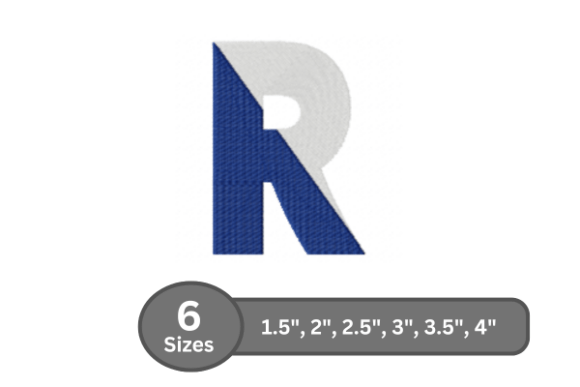
Twin Fill Alphabet - R: A Playful Touch for Craft Fair Standouts
First Impressions: Fun, Flair, and Fabric-Friendly Design
As an embroidery designer prepping for a weekend craft fair, I'm always on the hunt for designs that catch the eye without overwhelming the product. Twin Fill Alphabet - R immediately stood out with its promise of a "playful and fanciful" accent. That’s exactly what you want when you're selling handmade goods—something that feels unique, but not too niche.
Based on the title and description alone, this design leans toward a fun, modern, and slightly whimsical style. It doesn't scream "school" or "kids" like the category might suggest. Instead, it feels versatile enough to work on a wide range of items, from tote bags to embroidered patches, especially when you're targeting Etsy buyers or boutique shoppers looking for a personalized touch.
Where Twin Fill Alphabet - R Shines: Product Picks for Maximum Impact
Let’s get real—when you're setting up a craft fair booth, you need products that sell fast and photograph well. Here’s where I’d put Twin Fill Alphabet - R front and center:
- Embroidered Tote Bags: The R makes a great accent on the corner of a canvas tote. It's not too big, but still noticeable enough to draw a buyer’s eye.
- Aprons: Placed just below the neckline or on a pocket, this design adds personality without taking over the garment.
- Tea Towels: A simple embroidered R on a linen tea towel gives it that handmade boutique feel. Paired with a coordinating thread color, it becomes giftable in an instant.
- Embroidered Patches: If you’re creating a line of customizable patches, this design works great as a single initial patch or part of a monogram set.
- Pillow Covers: Especially for minimalist home decor, a soft fabric with a bold R can become a statement piece.
What Works—and What Doesn’t—with This Machine Embroidery Design
Twin Fill Alphabet - R is a machine embroidery design that strikes a nice balance between detail and simplicity. It’s not overly intricate, which is a big plus when you're producing in batches for a craft fair or Etsy shop. That said, here’s what I noticed after reviewing the description and visualizing it on real products:
- Visibility: At a glance, the R reads clearly as a letter. That’s key for any initial-based design. It doesn’t require explanation, which is ideal for walk-up buyers.
- Size Flexibility: It seems like it could work both as a small accent (like on a pouch or cap) or as a larger focal point (on a tote or pillow), though I’d test it at smaller sizes to make sure clarity isn’t lost.
- Photography Friendly: Based on the “fanciful” description, this design should photograph well, especially if you choose a thread color that contrasts nicely with the fabric.
- Batch Production: As long as the stitch density isn’t too heavy, this should be a repeatable, time-efficient design for small shop production.
Caution Zones: Watch These Details for Best Results
Every embroidery file has its quirks. Here’s what to look out for with Twin Fill Alphabet - R before committing to a full run:
- Dense Stitch Areas: If the fill stitches are packed too tightly, it could cause puckering on thinner fabrics. Always test on scrap first.
- Small Lettering: Since this is a single letter, check that it maintains clarity when scaled down for patches or caps.
- Thick or Textured Fabrics: If you're stitching onto a thick towel or a curved cap surface, be sure the design doesn’t have too many sharp angles that might distort under tension.
- Dark Fabric Contrast: The description mentions t-shirts and towels, so consider thread color carefully. A light or metallic thread might pop better than a standard color.
Why This Design Can Boost Your Craft Fair Sales
At a craft fair or handmade market, your booth display is everything. Twin Fill Alphabet - R brings a few key advantages:
- Visual Appeal: Its playful nature makes it stand out among more generic embroidered items.
- Customer Attention: People love personalization. Even a single initial can turn a plain tote into a custom gift.
- Product Value: Embroidery adds a premium handmade feel, even if the base item is affordable.
- Brand Consistency: If you're building a line of initial-based designs, this R can be part of a cohesive collection.
- Booth Display Strength: Grouping embroidered R items with other letters creates a visual story and invites buyers to look for their own initial.
Designer Notes: Test, Test, Test Before Production
Before you commit to stitching Twin Fill Alphabet - R on a dozen tote bags, do these critical steps:
- Test on Scrap Fabric: Always run a test stitch-out on the same material you’ll use for the final product.
- Check Thread Contrast: Try a few color combinations to see what looks best in person and in photos.
- Review Spacing: Make sure the twin fill doesn’t cause distortion or overlap in the letter shape.
- Confirm Hoop Size: Match the design to your machine’s hoop capacity to avoid scaling issues.
- Inspect Stitch Density: Avoid puckering by ensuring the design isn’t too dense for your fabric type.
- Use the Right Stabilizer: Especially for textured or stretchy fabrics, stabilizer is key to a clean finish.
- Create a Real Mockup: Don’t rely only on digital previews. A physical sample tells you everything about how the design performs.
- Compare Fabric Colors: What looks great on white might not work on beige or gray—test before bulk production.
- Confirm Commercial Licensing: If you're selling finished products, make sure the embroidery file allows for commercial use.
Final Thoughts: A Smart Addition to Your Embroidery File Collection
Twin Fill Alphabet - R isn’t just another letter in your embroidery library. It’s a potential bestseller when paired with the right products. Whether you're creating printable mockups for your Etsy shop or prepping samples for your craft fair booth, this design offers flexibility, charm, and a touch of flair that handmade buyers love.
If you're an embroidery business owner or digital seller looking to expand your design assets, this machine embroidery design is worth a test run. Just remember: always test before production, keep your fabric and thread choices intentional, and use it where it shines brightest—on products that turn heads and spark conversations.